Sports Nutrition Basics Part 2: What to Eat Before, During and After Exercise
In Part 1 of Sports Nutrition Basics, we talked about why sports nutrition matters and what role each of the macronutrients plays in supporting athletic performance. If you haven't already given it a read, check it out first.
You're not alone if you've ever found yourself wondering: what should I eat before training? What should I have for my post-game meal?
Part 2 of Sports Nutrition Basics will walk you through the answers to these questions and more, so you can approach your game plan with confidence.
Background
Before we go any further, it's important to note that sports nutrition is highly individualized. For example, a marathon runner has different nutrition needs than a hockey player or a weightlifter.
Many factors affect fueling before, during and after an activity. Appetite, preferences, training intensity, duration and more all need to be taken into consideration when determining a sports nutrition plan.
The next sections cover general information about what to eat before, during and after exercise. For personalized sports nutrition support, consult with one of our Registered Dietitians.
What should I eat before exercise?
Before exercise, eat a meal containing complex carbohydrates and some protein about 2–3 hours ahead of your activity. If you're eating closer to your workout — around 1 hour before — choose a small, low-fibre snack made up mostly of carbohydrates with a little protein.
As mentioned in Part 1, carbohydrates are the body's main energy source. Complex carbohydrates paired with protein provide sustained energy leading up to your activity, and eating a couple of hours ahead allows enough time for the food to digest.
Some ideas for pre-exercise meals include:
Whole grain turkey wrap
Chicken burrito bowl
Pasta with tempeh
While fibre is an essential part of a healthy diet, closer to exercise it's best to select carbohydrates that are not high in fibre to minimize the risk of gut distress, as fibre takes longer to digest.
Some ideas for pre-exercise snacks include:
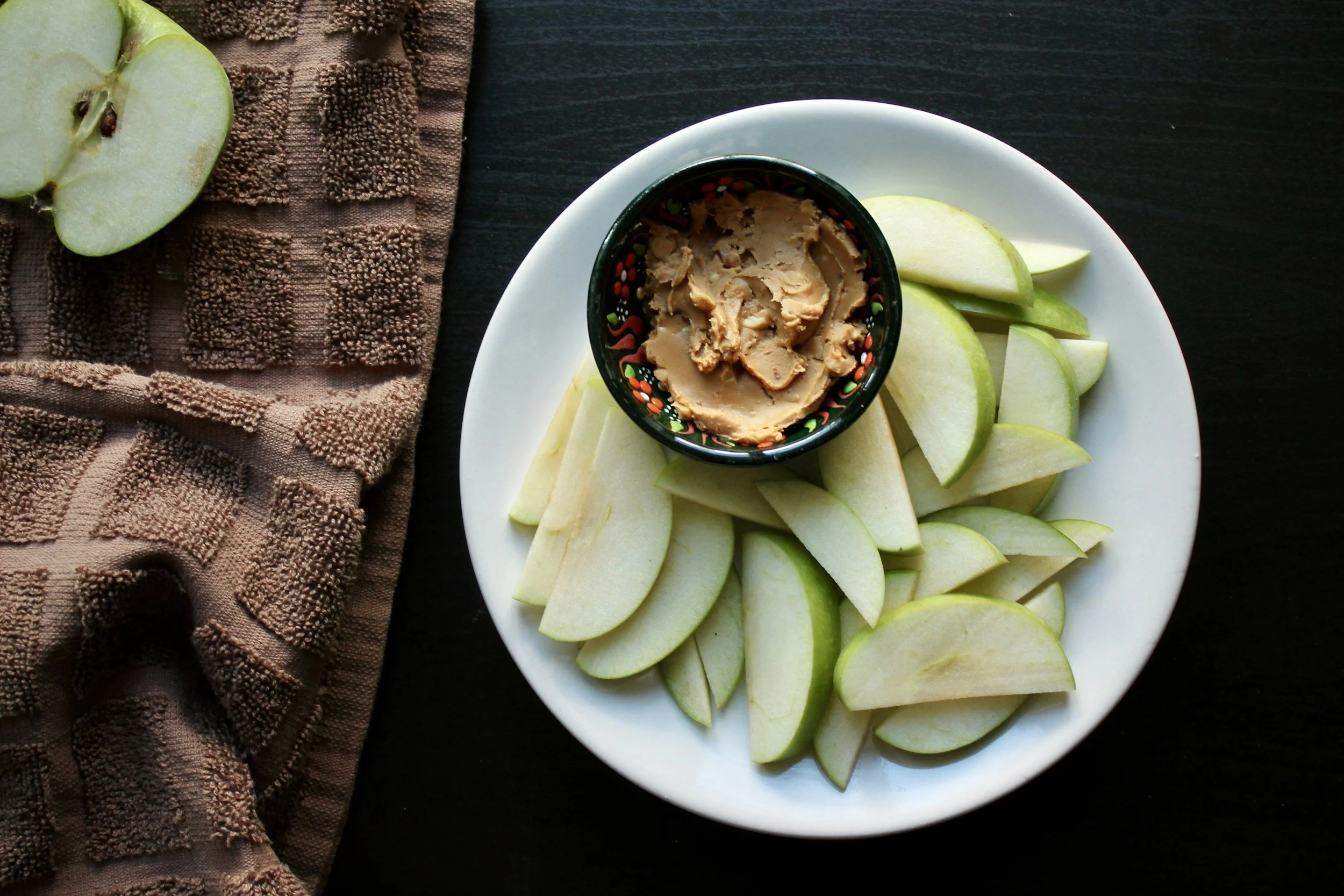
Apple slices and peanut butter
Crackers and hummus
What should I eat during exercise?
During exercise lasting less than 45 minutes, you generally don't need to eat anything. For longer sessions, quick-digesting carbohydrates are recommended — roughly 30–60 g per hour for activities lasting 1–2.5 hours, and up to 90 g per hour for ultra-endurance events over 2.5–3 hours.
While the body has some limited stores of carbohydrates in the form of glycogen, it is often recommended to consume some carbohydrates during prolonged physical activity:
Exercise lasting less than 45 minutes: Carbohydrate intake is usually not needed
High intensity, sustained exercise lasting 45–75 minutes: May need small amounts of carbohydrate
Endurance exercise and stop-and-start sports lasting 1–2.5 hours: 30–60 g/h of carbohydrates are recommended. Quick-digesting, carbohydrate-rich snacks come in handy here.
Ultra-endurance exercise lasting over 2.5–3 hours: Up to 90 g/h of carbohydrates are recommended.
The type of carbohydrate consumed during exercise matters. A quick-digesting carbohydrate can provide a fast source of energy and minimize gut distress. Also keep in mind options that are portable, practical and align with your preferences.
Some examples include:
Banana
Applesauce
Dates
What should I eat after exercise?
After exercise, pair a source of carbohydrates with protein within a couple of hours to replenish glycogen stores, limit muscle breakdown and support muscle recovery. Examples include chocolate milk, Greek yogurt with berries, or a chicken salad sandwich on whole grain bread.
How quickly you should eat after exercise depends on several factors, including your appetite, activity type, duration, and when your next training session is.
To build a post-exercise snack, pair a carbohydrate with a protein. Some ideas include:
Chocolate milk
Berries and Greek yogurt
Toast and hard boiled egg
Similarly for meals, combining a carbohydrate with a source of protein can be helpful. Consider including a source of healthy fats as well as fruits and vegetables — they contain antioxidants, further supporting the recovery process. Some ideas include:
Salmon with spinach and mashed potato
Tofu and vegetable rice stir-fry
Chicken salad sandwich on whole grain toast
Tip: Choosing water-rich foods can also help you rehydrate. Think fruits and vegetables like watermelon, cucumbers or tomatoes, as well as dishes like stews.
Need help coming up with snack and meal ideas that fit your lifestyle, training plan and preferences? Chat with one of our Registered Dietitians today.
Frequently Asked Questions
Is chocolate milk good after a workout?
Yes — chocolate milk provides both carbohydrates and protein, making it a convenient post-exercise recovery option that helps replenish glycogen stores and support muscle repair.
How long before a workout should I eat?
Aim to eat a full meal 2–3 hours before exercise so it has time to digest. If it's closer to your workout (about 1 hour before), have a small, low-fibre snack that's mostly carbohydrates with a little protein.
Do I need to eat during a short workout?
No. For exercise lasting less than 45 minutes, carbohydrate intake during the session is usually not needed. Fueling during activity becomes more important for high-intensity or endurance exercise lasting longer than about 45–75 minutes.
What happens if I don't eat after exercise?
Skipping post-exercise fuel can slow the replenishment of glycogen stores and delay muscle recovery, especially if you train frequently. Eating a combination of carbohydrates and protein within a couple of hours supports recovery and helps you feel ready for your next session.
In Conclusion
One size does not fit all when it comes to sports nutrition. What to eat and when to eat is highly individualized. In general, carbohydrates and protein are the main building blocks for pre- and post-exercise meals and snacks. During exercise, depending on the duration and type of activity, a source of carbohydrates may be needed.
If you're curious about your individual nutrition needs or want to feel supported with a sustainable plan and practical strategies, book a FREE 20-minute discovery call with the team at Gentle Nutrition Co. Appointments are available virtually — let's help you feel and perform your best.
References
Position of the Academy of Nutrition and Dietetics, Dietitians of Canada, and the American College of Sports Medicine: Nutrition and athletic performance. (2016). Canadian Journal of Dietetic Practice and Research, 77(1), 54. https://doi.org/10.3148/cjdpr-2015-047
Blog was reviewed by Anika Dhalla, RD